Termites can damage wood structures over time without being noticed. In South Florida, termite activity continues year-round, which increases the risk for homes and businesses.
ENV Termite and Pest Control provides termite inspection and treatment services across South Florida, including Broward and Miami-Dade County. We handle termite problems in both residential and commercial properties, with same-day service available when quick action is needed.
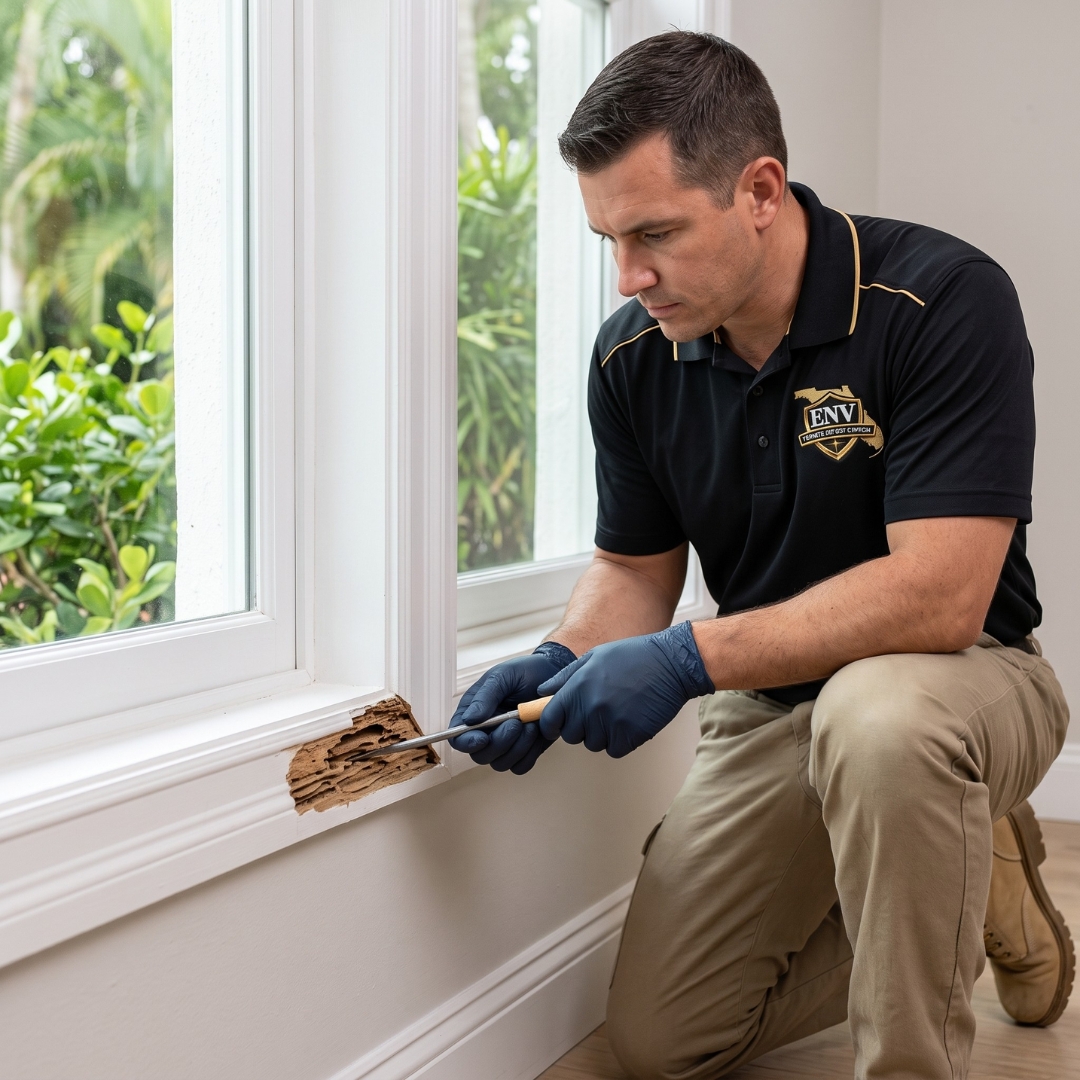
Termites feed on wood from the inside, which makes the damage difficult to spot early. In many cases, the outer surface looks normal while the structure underneath is already affected.
Over time, this can lead to:
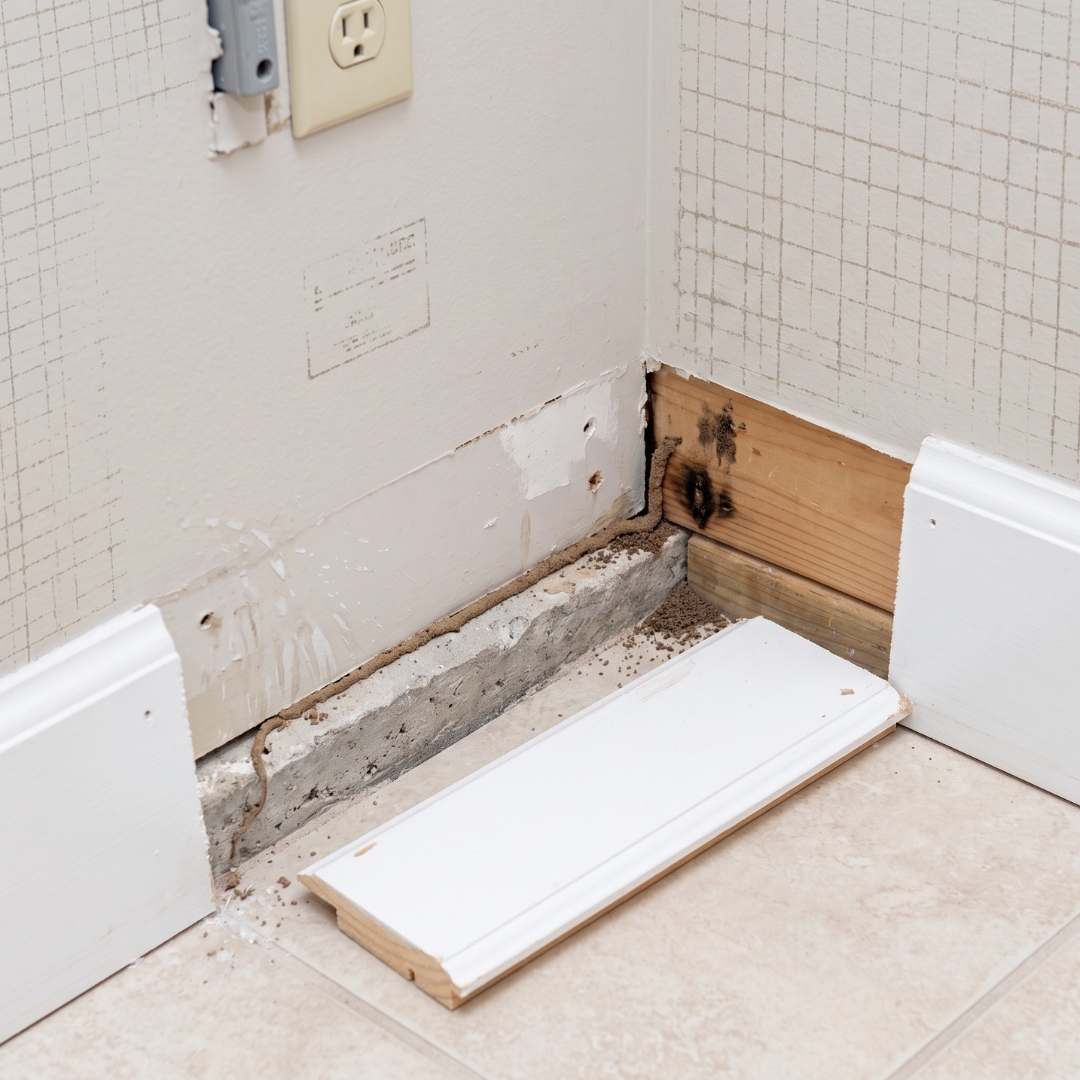
Termites do not stay in one place. Once they enter a property, they begin to expand their activity into nearby areas while remaining hidden.
Subterranean termites move through soil and create pathways into foundations and structural wood. Drywood termites stay inside wood and spread within walls, ceilings, and furniture.
As the colony grows, termite activity increases and reaches more parts of the structure. Because most of this movement happens out of sight, the infestation can spread before visible signs appear.
Early inspection helps detect termite activity before it reaches larger areas of the property.
Termite activity is often hidden, but there are specific signs that can indicate an active infestation.
These signs usually appear after termites have already been active inside the structure. A professional inspection helps confirm the extent of the infestation and the areas affected.
Different types of termites behave in different ways. Identifying the type of termite helps determine the right treatment approach.
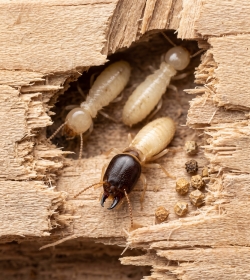
Drywood termites live inside wood and do not require contact with soil. They are commonly found in walls, furniture, and wooden structures. Because they stay inside the wood, they can be difficult to detect early.
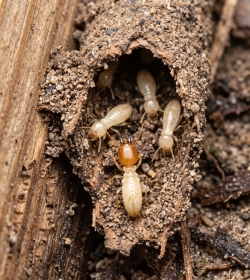
Subterranean termites live in soil and enter structures through foundations. They build pathways to reach wood and tend to spread quickly across larger areas of a property.
Both types can cause damage over time, but the treatment approach depends on how and where the termites are active.
Every termite problem is different. The right treatment depends on the type of termite, how far the infestation has spread, and the condition of the structure.
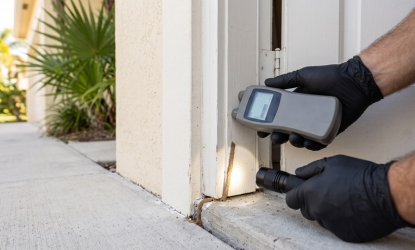
We begin by identifying termite activity, entry points, and areas where damage may be developing. This helps determine the type of termite and the level of infestation.
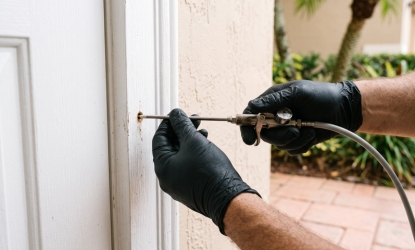
Treatment is applied based on the findings. The goal is to stop active termite activity and limit further damage to the structure.
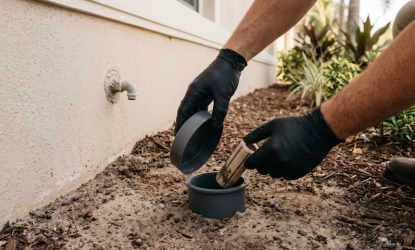
After treatment, we address conditions that allow termites to return. This may include identifying moisture issues or structural areas that need attention.
A proper inspection and treatment plan helps control the infestation and reduce the risk of future termite problems.
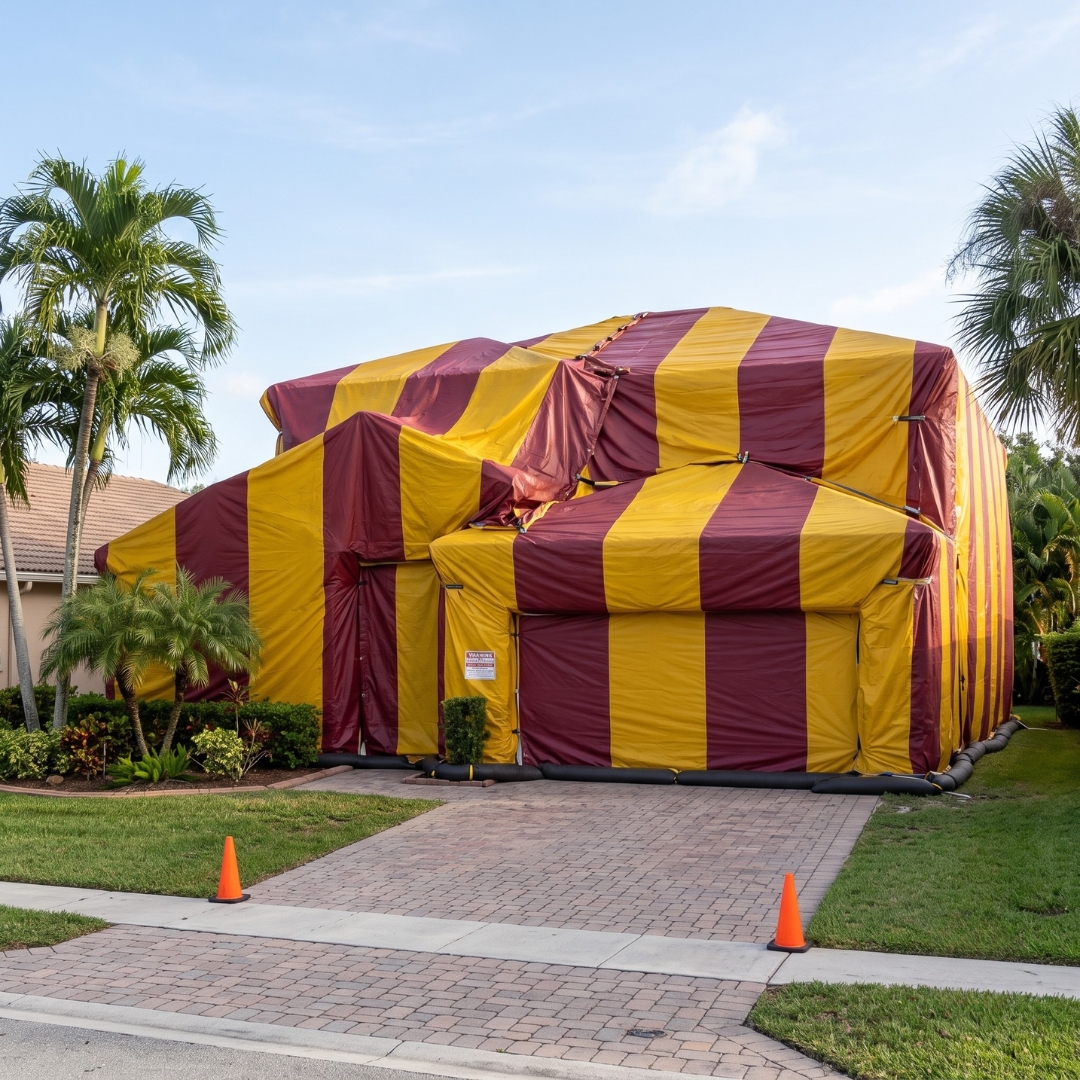
Not every termite problem requires fumigation. Some termite activity can be handled with targeted treatment, especially when the infestation is limited to one area of the property.
Termite fumigation may be recommended when drywood termite activity is spread through multiple rooms, walls, ceilings, or structural wood. In these cases, localized treatment may not reach the full infestation. That is why a proper termite inspection is important before choosing the right treatment method.
Fumigation may be considered when:
A termite inspection helps determine whether targeted termite treatment, prevention, or full termite fumigation is the right option for your property.
Need full-structure termite treatment? Learn more about our Termite Fumigation and Tenting Services.
The cost of termite control depends on several factors. Each property and infestation is different, so a proper inspection is needed before recommending treatment.
A detailed inspection helps determine the most effective approach and provides a clearer understanding of the work involved.
A larger infestation usually requires more extensive treatment to fully control termite activity.
Drywood and subterranean termites behave differently, which affects how the treatment is applied.
Larger properties or complex structures may require more time and treatment coverage.
Existing wood damage can affect the scope of the treatment and the areas that need attention.
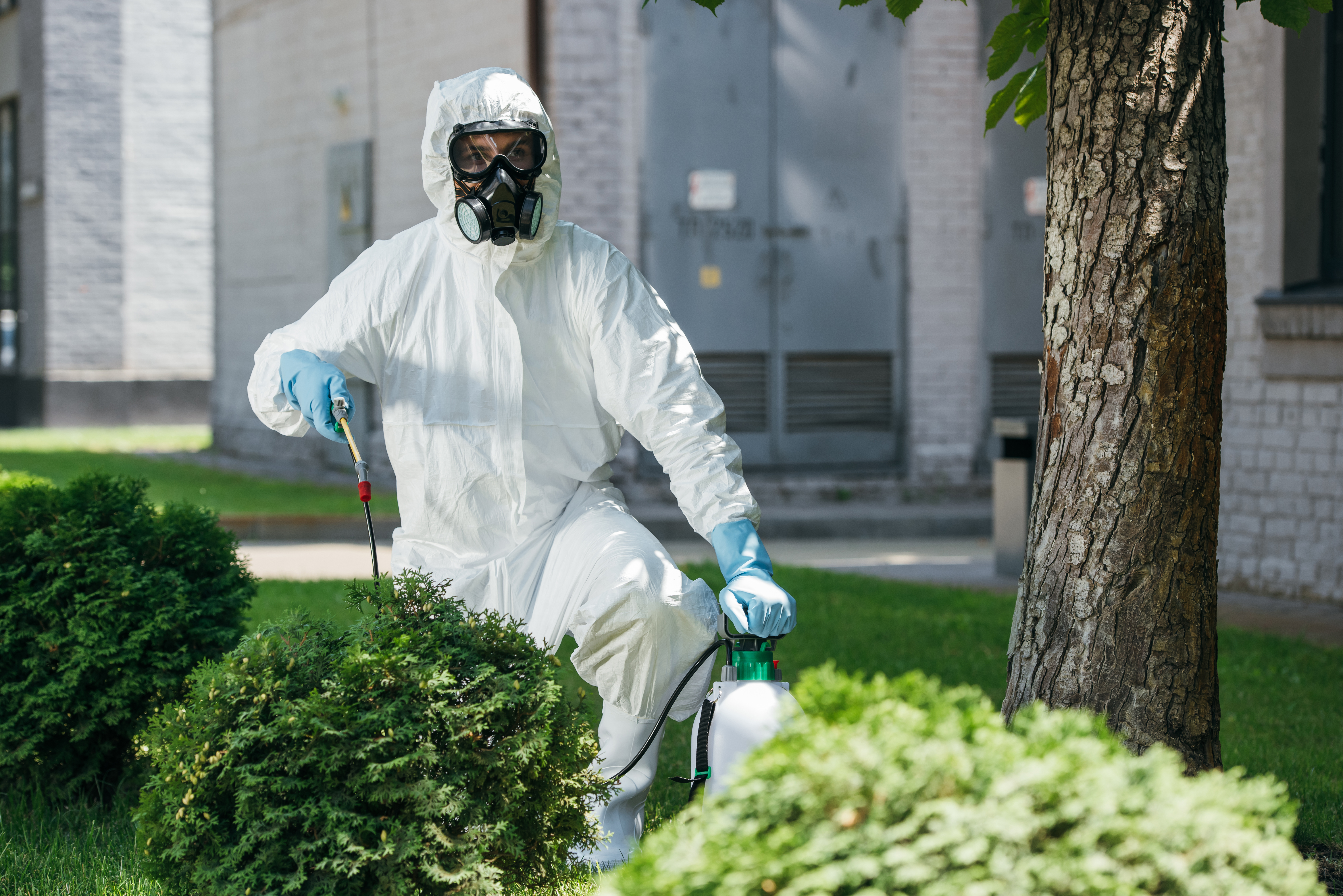
Some minor pest issues can be managed with basic steps, but termite problems are different. Termites live inside wood and hidden areas, which makes them difficult to fully treat without proper inspection.
Professional termite control focuses on identifying the source of the infestation and applying treatment based on the type of termite and level of activity.
ENV Termite and Pest Control LLC operates as a licensed pest control business in Florida, including certification for termite and wood-destroying organism treatment.
Our work follows proper standards for termite inspection and treatment based on the type of infestation and the condition of the structure.
With over 40 years of experience, we handle termite problems across residential and commercial properties using methods that match the specific situation.
Termite problems can sometimes be connected to other pest issues. We also provide:
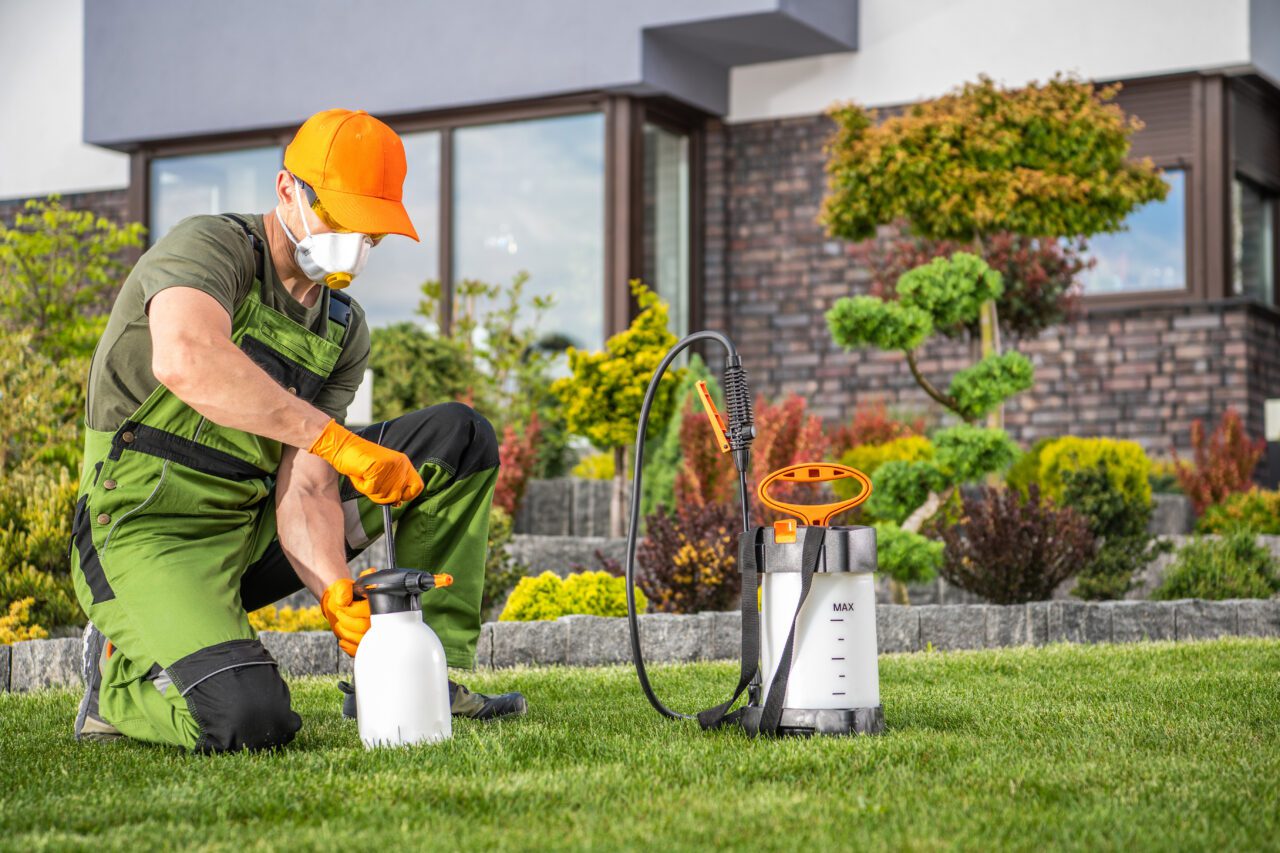
General pest treatment for common insects found inside and around properties.
Removal and control of rats and mice in attics, walls, and storage areas.
Targeted treatment for common indoor pests that spread quickly in kitchens and hidden spaces.
👉 Explore our full range of pest control services to address different types of infestations.
Regular inspections are recommended, especially in South Florida where termite activity continues throughout the year. Inspections help detect problems early and reduce long-term damage.
Termite activity can return if conditions allow it. Preventive steps and periodic inspections help reduce the risk of reinfestation.
Moisture, wood-to-ground contact, and hidden entry points can create conditions that attract termite activity.
Treatment methods are selected based on the property and the level of infestation. The goal is to control termite activity while reducing unnecessary exposure.
Yes, inspections are often recommended before buying or selling a property to identify any existing termite activity or damage.
No. Not every termite problem needs fumigation. Some infestations can be handled with targeted termite treatment, especially when the activity is limited to one area. Termite fumigation may be recommended for larger drywood termite infestations or when hidden activity is spread through multiple parts of the structure.
If you suspect termite activity, it’s best to address the problem before it spreads further. A professional inspection helps identify the issue and the right treatment.
Fast response. Local service. Practical solutions.